
Elements that make up a full brand identity
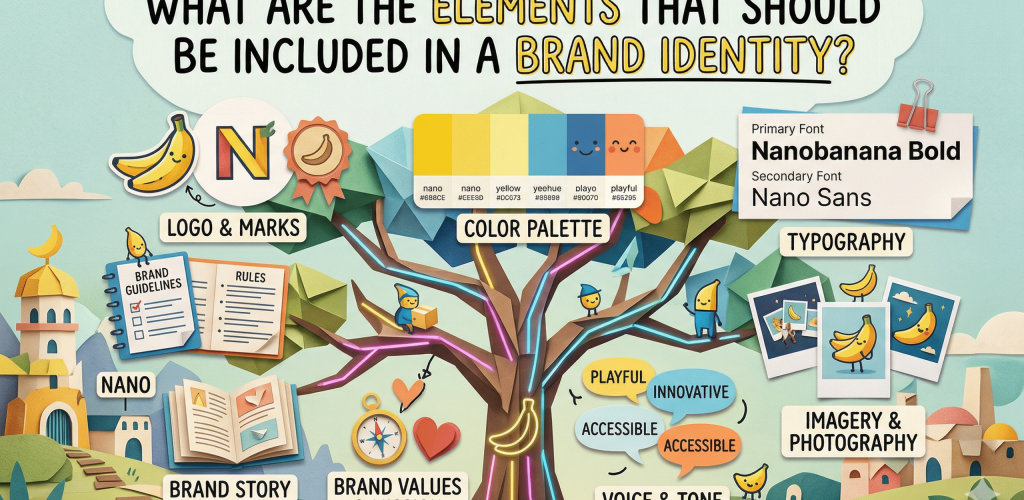
Before we dive into the subjects matter let’s define brand identity,
A brand identity is the visible and tangible expression of a brand what makes it recognizable, memorable, and distinctive to customers. It combines visual, verbal, and strategic elements to create a cohesive image that reflects the brand's personality, values, and promise.
While the exact components can vary slightly depending on the brand’s size and industry, the following are the core elements we use at Dtempo and which most experts including when developing or documenting a brand identity (often compiled into a brand style guide or brand book for consistency).
Below i will list you the 3 most important elements that should be present in your brand identity.
1. Brand and Core Strategy Foundations
This our the fundamentals of your Brand, the first thing your future customers will know about you.
Mission, Vision, and Purpose
Why the brand exists, what it aims to achieve, and its long-term goals.
Core Values
Guiding principles that shape behavior, decisions, and customer trust of your brand.
Brand Positioning and Personality
How the brand differentiates itself in the market and its human-like traits (e.g., friendly, innovative, luxurious). This often includes defining the target audience of your future brand. What makes you different from competitors and your unique value proposition.
Target Audience Definition
Clear understanding of who you serve and what they value. When building a brand you need to know who will be your customers and which value they have.
2. Visual Identity Elements
This is what most people know about brand and what is serve out to the public since it’s the most recognizable aspects of your brand.
Logo (and Variations)
The primary symbol or mark, including lockups (logo + wordmark combinations), secondary logos, icons, and monochrome versions. Include clear usage rules (e.g., minimum size, clear space, do’s and don’ts).
Color Palette
Select your brand primary and secondary colors, with specifications in multiple formats (HEX, RGB, CMYK, Pantone). Your brand colors should evoke the desired emotions and be consistent across digital and print.
Typography
Your brand headline and body fonts, including styles, sizes, spacing, and hierarchy. Fonts should align with the brand personality (e.g., clean and modern vs. warm and approachable).
Imagery,Photography Style and Iconography/Graphic Elements
Your brand guidelines for photos, illustrations, icons, graphics, and overall visual tone (e.g., realistic, abstract, diverse representation, lighting, composition).
Motion Guidelines, Shapes and Patterns
This is a bonus part for your brand since you need to have a specific way in which your logos, icons and others shapes in your brand animates. This makes your brand distinctive.
3. Verbal Identity Elements
This part is the sound part of your brand. How people listen to your brand, sounds related to your brand.
Brand Voice and Tone
The personality in language (e.g., professional yet witty, empathetic and straightforward). Include guidelines for grammar, vocabulary, and adapting tone for different contexts (e.g., social media vs. formal reports).
Tagline or Slogan
A short, memorable phrase that captures the brand essence (e.g., Nike’s “Just Do It”). This will make people remember your brand with this slogan and help people better understand your brand too.
Messaging Framework
Key messages, positioning statements, and copy guidelines to ensure consistent storytelling.
4. Brand Application & Governance
This part is optional but important too since it helps in documenting and how people should use the various assets of your brand.
Brand Guidelines Document
A comprehensive style guide documenting rules for logo usage, colors, typography, imagery, and voice.
Usage Examples & “Don’ts”
Visual demonstrations of correct/incorrect applications to prevent brand dilution
Accessibility Standards
WCAG-compliant color contrast, readable typography, and inclusive design practices
At Dtempo we follow all this step when building brands for our clients. So feel free to hit us up to build your brand which will deffrentiate and stand out among other brands.